Hello everyone! Welcome back to my blog.
Following this weeks lab topic, ‘Language Learning Styles‘, I will evaluate assessment activities for language learning in this blog. I will then highlight what type of learner it caters for. The website that I came across which included a varies of assessment activities is called ‘Memrise‘. Before this, I had never heard of this website. After my research, I was pleasantly surprised with their approach to language learning. Saying this, this is purely because it suited my preferences of learning styles. So, for my readers who tend to learn by using opposite styles to me, I can’t guarantee that you’ll agree!

Personally, I am an active learner which means I prefer to try things out an ‘see how it works’ rather than having the ‘let’s think it through first’ approach. This would be what a reflective learner would prefer. While using ‘Memrise‘, it is clear that it caters more so for active learners (like myself), rather than reflective learners. You are prompted to choose the correct option for the word that ‘pops’ up. For example, if the word ‘gato’ appears, you must choose out of four options the correct answer in English, which would be ‘cat’. Their tactic is using memory activities to help you remember what you have learned. If I could personalize this assessment activity, I would make it slightly more difficult. Even after choosing the ‘advanced Spanish’ option, words such as ‘hola’, and ‘adiós’ were still appearing. By making this assessment activity more challenging, I could potentially increase how much I can learn from it, which is an advantage to personalizing any app.
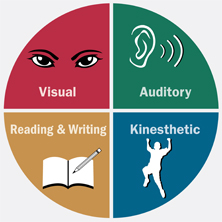
A personalized learning app is very important to me. For starters, we all learn differently and not everything works for each of us. Some of us may be visual learners, which is the most common type of learning style (Hansen, 2018), whereas others may be verbal learners for example. I am a verbal learner, so with regards to ‘Memrise‘, it happens to suit my learning style. It is pretty much all based on verbal learning, despite the fact that they have videos of native Spanish speakers saying pronouncing the words. Saying this, I think its important to try and adapt to other learning styles, because you won’t always be able to choose how you learn. Take this as an example, if you are told to use a certain website to complete an assignment. Even if you are a sensing and verbal learner, that chosen website might have a completely different approach to language learning.
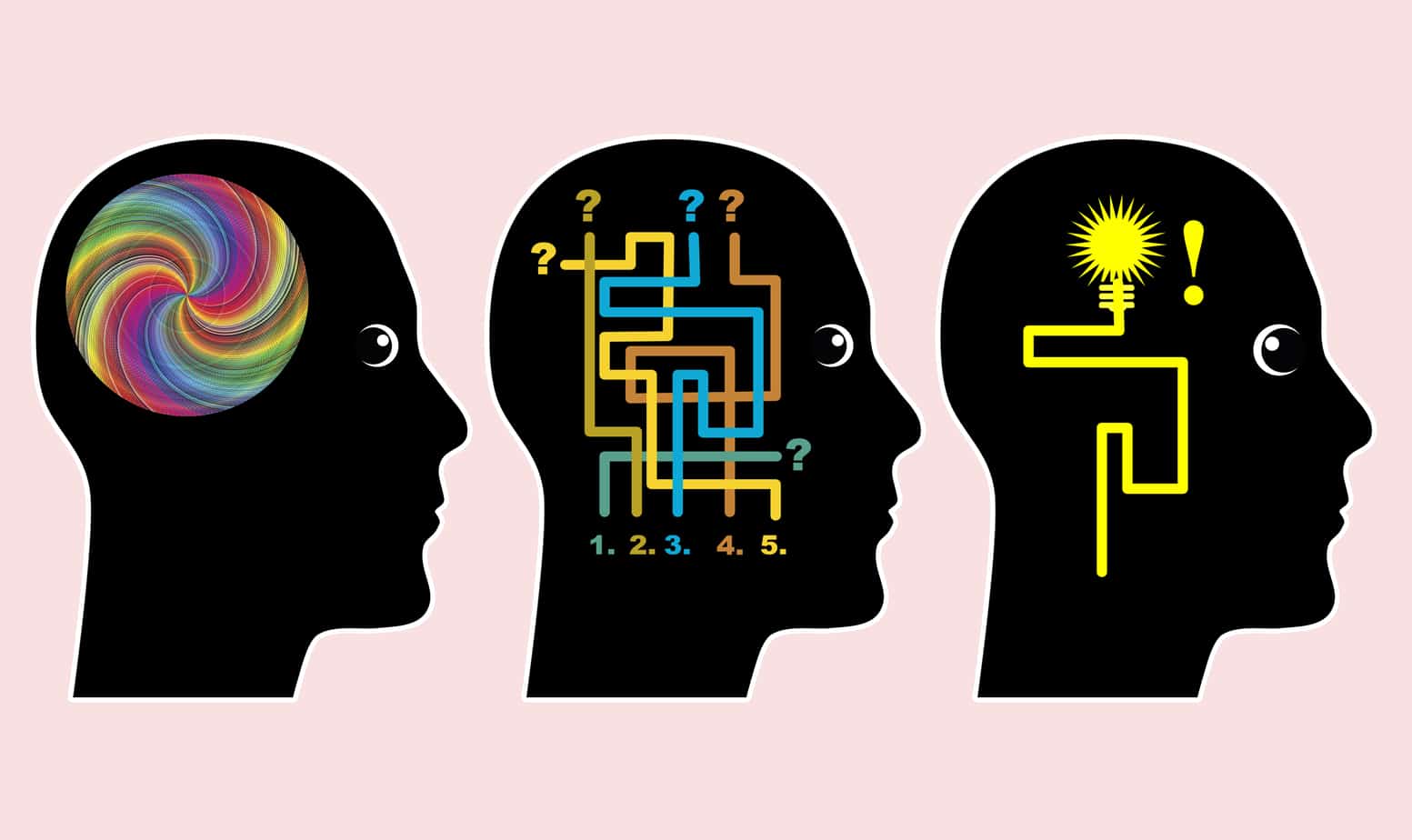
Of course, there are advantages and disadvantages of personalizing an app. Firstly, if you personalize it, it will be perfectly tailored to your usual learning needs, you will most likely learn quicker and more beneficially. On the other hand, as I mentioned in the last paragraph of this blog, it is important to be open to learning in new, perhaps foreign ways. If you take the time to adapt to other learning styles, you could end up being just as suited to that style.
Learning about the various learning styles was of great interest to me. I learned things about my preference of learning that I was unaware of previously. I hope you felt the same, and that you enjoyed reading my take on learning styles!
Until next time,
Alison
Bibliography:
Cooke, E., Detre, G., and Whately, B. (2010) Memrise, available: https://www.memrise.com [accessed 27 Sep 2018].
Hansen, B. (2018) ‘Your Guide to Understanding and Adapting to Different Learning Styles’, ‘Lifelong Learning Matters’, 6 April, available: https://www.cornerstone.edu/blogs/lifelong-learning-matters/post/your-guide-to-understanding-and-adapting-to-different-learning-styles [accessed 27 Sep 2018].

 Alison's Blog
Hi Alison, really enjoyed reading this blog. I never realized Memrise could be so useful, but it sounds like I could really learn things off of it. Well done!
LikeLike
I agree with your opinion on Memrise, it has many distinct aspects to suit different language learners!
LikeLike